


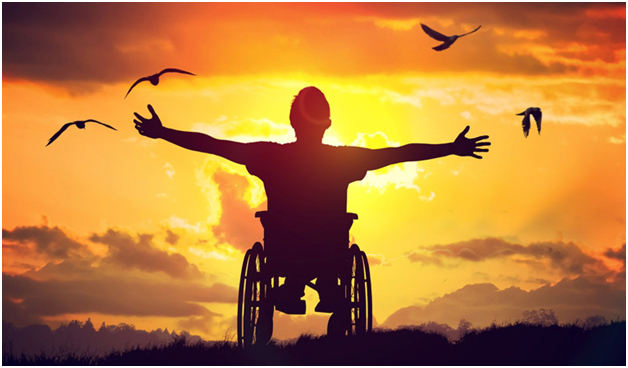
Integrated Differently Abled Labour as part of Diversity and Inclusion
We are truly the greatest untapped resource on the planet. In fact, when I talk about people with disabilities, I prefer the term 'corporate ready individuals'. For me, it all starts with changing the perceptions of potential employers. That's what I am trying to do through my organization, the Blind Institute of Technology (BIT), where we are committed to reducing the high unemployment rate among skilled blind and visually impaired IT and tech professionals.
I have been legally blind since first grade. I owe a lot of who I am to my mother. Instead of placing me in a school for the blind, she was determined to keep me in the public school system. I learned how to use the low-vision technologies available at the time, and I learned how to walk with a cane and read braille.
Being blind has not prevented me from having a full life. The loss of my vision is an inconvenience, nothing more. Immediately after college, I married my wife, Natalie, adopted two daughters and added my son, Maddox to the family. I have competed in martial arts, I am a snow and water skier and a mountain climber.
In the past five years, my organization has placed more than 100 people with disabilities. My job is to go out there, kick in doors and let employers know just how easy it is to seamlessly integrate people with disabilities and add value to the bottom line and to the corporate culture.
For employers, the technology makes the business case persuasive. Some blind people can listen to their screen readers at 300 words a minute. That is faster that a sighted person can consume, looking at a screen.
After a 20-year career in the tech industry, I am living proof that blindness is not the handicap everyone thinks. Now I hope to place hundreds of people every year in Fortune 500 companies. This will be through technology. People with disabilities are perfect candidates for what I call