|
Preventing Occupational Illness through Efficient Workplace Design
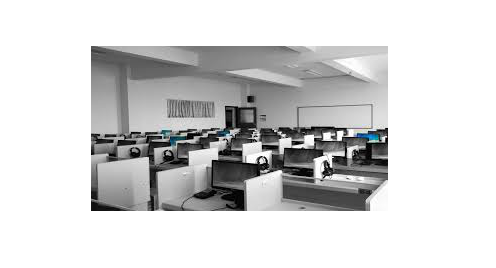
Workplace design refers to the process of designing and organizing a workplace to optimize worker performance and safety. It is a key health and safety issue for workers in both high-risk and low-risk work environments such as construction sites and also offices. In industrial areas workplaces must be designed to ensure workers can perform daily routines efficiently and at the same time also conduct emergency safety procedures. In offices, employers need to focus on designing ambiences that improve employee wellness by optimizing conditions such as air quality, lighting, ergonomics and hygiene.
Workplace design principles involve efforts to optimize the safety and health conditions of regular work activities through measures such as ergonomic seating and temperature control, as well as efforts to protect workers in high-risk industries through measures like designing safe navigation routes through construction sites. Some workplaces use detailed aesthetic designs to reduce worker stress. These might involve the use of plants to improve mood, the use of specific types of lighting, and the use of alterations to make a space
|