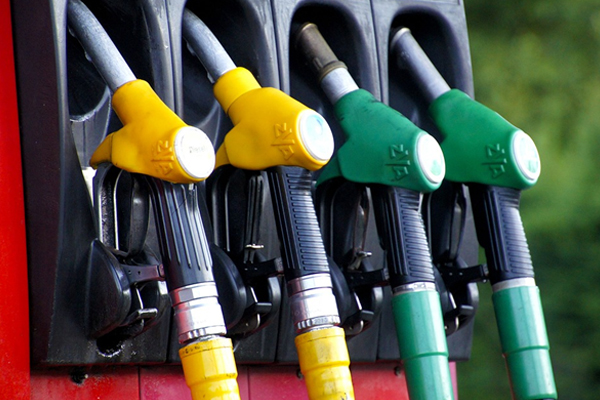
Rapid industrial growth, globalization, and poor environmental conditions at work places have created a lot of health-related issues. There is a high prevalence of occupational diseases, such as, silicosis, asbestosis, and pneumoconiosis among workers working in different industrial environments in India. Fast urbanization trends have resulted in a tremendous rise in the number of transportation vehicles, thereby, resulting in the increased need of petrol. This increase in demand of petrol has led to a steady rise in the number of petrol pumps in the country. On account of the lack of availability of sufficient international research on the occupational aspects of petrol pump workers, the present study focuses on the occupational health-related issues in this population.
The rising number of vehicles has sharply increased the level of air pollution in various cities of India. A Health Survey done by the Centre for Science and Environment (CSE), New Delhi, has shown that 141 (80%) cities in India exceed the PM 10 (pollutants that emit particulate matter of less than 10 micrometers in size) standard, 90 cities have a critical level of PM 10 and 26 cities have the most critical level, exceeding thrice the standards. In a study involving six cities of India, the measured annual PM10 concentration in microgram per cubic meter (?g/m3) averaged 94.0